In hospitality, the holiday season is both an opportunity and a trial of one’s abilities. For hotels, resorts, and event venues, this is the time of year when guest volumes surge, expectations soar, and the quality of service can make or break one’s reputation. At the same time, it is also when operational pressures mount. …
In hospitality, the holiday season is both an opportunity and a trial of one’s abilities. For hotels, resorts, and event venues, this is the time of year when guest volumes surge, expectations soar, and the quality of service can make or break one’s reputation. At the same time, it is also when operational pressures mount. Staffing needs escalate unpredictably, margins come under pressure, and leaders face the constant challenge of balancing exceptional service delivery with financial discipline.
Traditional hiring models, with their fixed contracts and limited flexibility, rarely meet these seasonal demands. To thrive during peak periods, hospitality businesses need staffing solutions that are agile, scalable, and cost-efficient. Flexible staffing is increasingly proving to be the most effective way to safeguard both service quality and profitability.
The high stakes of peak season
Staffing represents one of the largest expenses in hospitality, typically accounting for up to half of the operational costs. During the holiday rush, this line item becomes even more critical. Too few staff on the floor or behind the scenes, and the guest experience suffers, such as long queues at reception, slow dining service, and inconsistent housekeeping. Negative reviews spread quickly, and reputational damage can linger well beyond the season itself.
On the other hand, overstaffing is just as risky. Idle staff inflate payroll costs and undermine margins, especially in a season when profitability should be maximised. The reality is that guest volumes during holidays are unpredictable. Occupancy can swing dramatically from one week to the next, events are booked at short notice, and restaurants may go from half empty to fully booked in a matter of hours. A rigid staffing model cannot adapt to this volatility. Flexible staffing, however, is designed to do exactly that.
Why flexibility works in hospitality
Hospitality is a people-driven industry where service standards cannot be compromised. Flexible staffing provides businesses with the ability to match staff numbers and skills to real-time demand. Unlike permanent recruitment drives, which require significant investment and long lead times, flexible solutions scale up or down with agility.
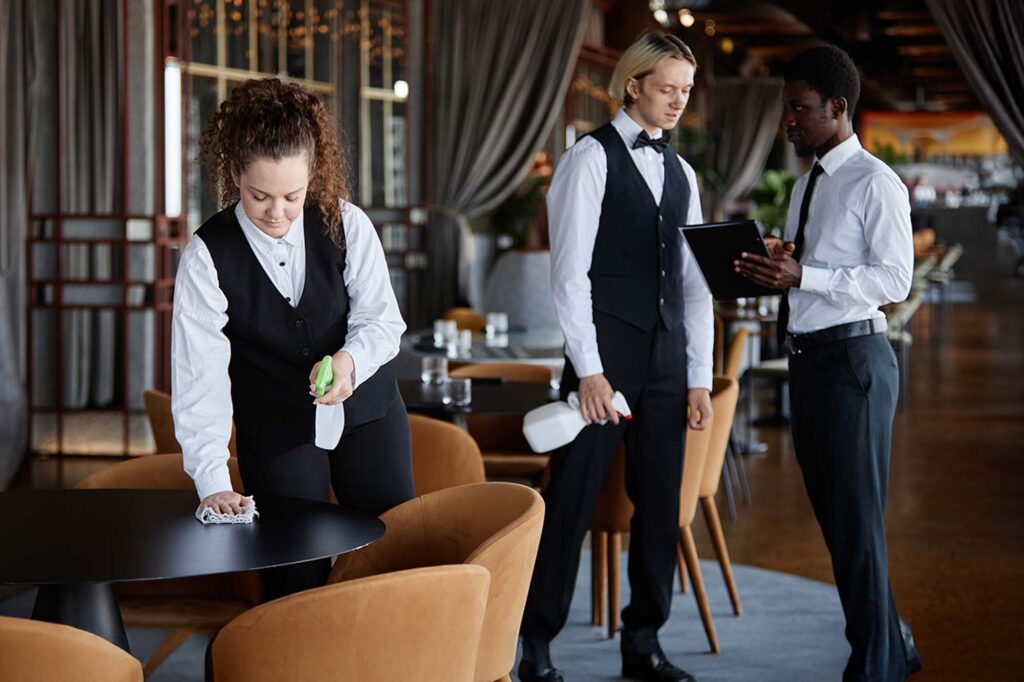
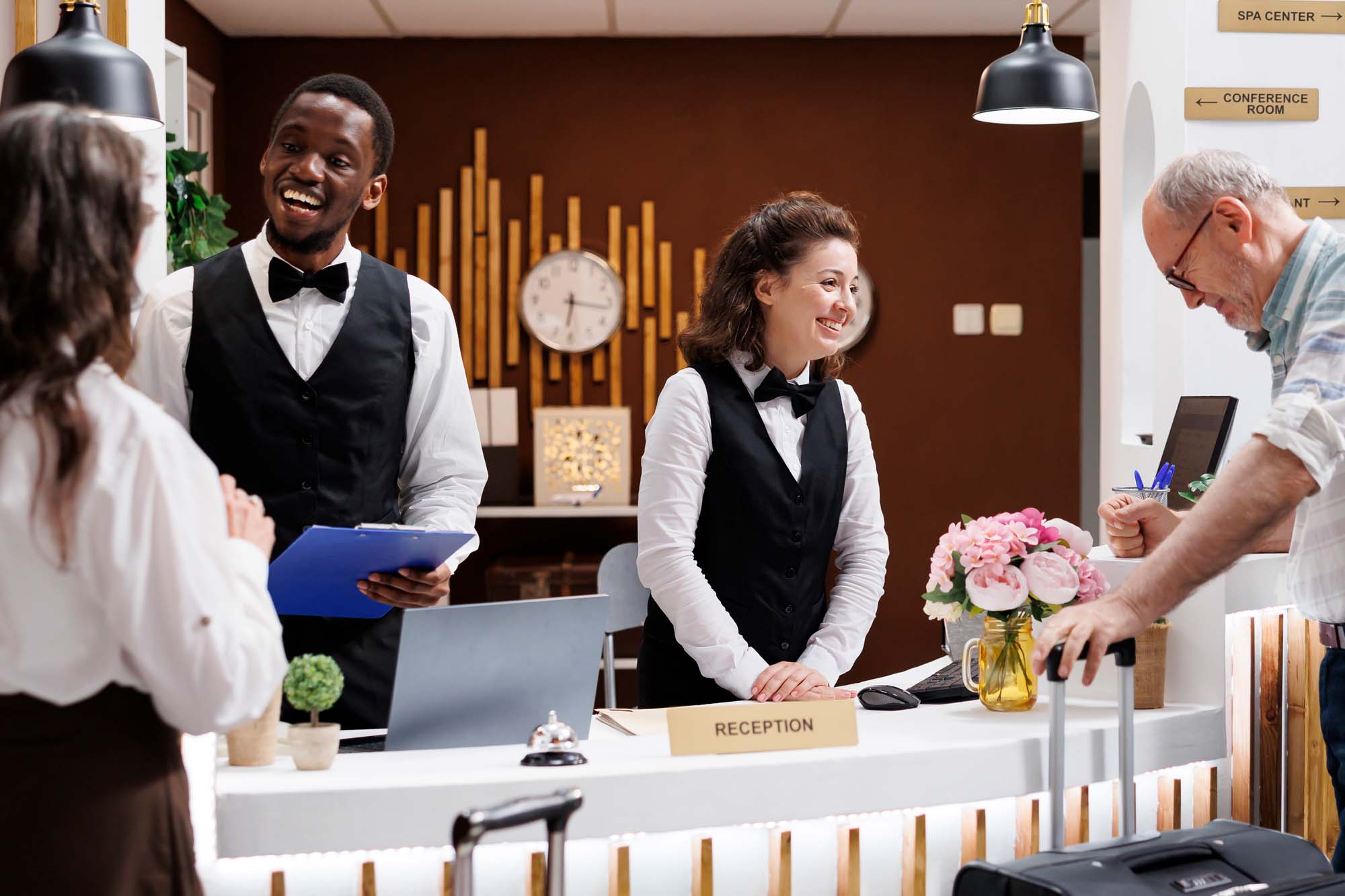
For front-of-house, this means receptionists, concierge staff, and call-centre teams can be added during periods of high guest interaction. In food and beverage, flexible staffing lets venues maintain service consistency when banquets, conferences, or seasonal dining put pressure on permanent teams. In housekeeping and maintenance, additional capacity ensures quick turnarounds without placing unsustainable strain on core employees. Even in less visible functions, like stores or canteen operations, flexible staffing ensures critical behind-the-scenes work is never neglected.
The result is not just more hands on deck, but the right expertise in the right place at the right time. That distinction is vital.
Protecting profitability through smarter resourcing
While protecting guest experience is the most visible benefit of flexible staffing, the financial advantages are equally important. Peak season is when businesses should be maximising profit, but staffing inefficiencies can erode this quickly. Flexible staffing offers a way to keep labour costs aligned with demand.
Forecasting can predict occupancy levels and event bookings, but the reality is always more fluid. Flexible staffing bridges the gap between projections and actual demand, ensuring businesses are neither over-nor under-staffed. It also reduces reliance on overtime, which can quickly inflate payroll expenses while exhausting permanent employees. By distributing workloads more evenly, businesses avoid burnout, keep morale high, and maintain efficiency.
Another overlooked factor is guest spending. A well-staffed, motivated team creates the conditions for upselling, whether it’s room upgrades, spa bookings, or additional dining. In this sense, flexible staffing is not simply a cost-control measure but a revenue-generation strategy. Guests who receive exceptional service during busy periods are more likely to spend more and return in future.
Seasonal pressures require strategic planning
The holiday season is not just a busier version of the rest of the year, it brings unique workforce challenges. Guest expectations are heightened, occupancy levels are unpredictable, and the pressure on operations is relentless. To navigate this successfully, businesses need more than reactive staffing fixes. They require a proactive plan.
Early recruitment of seasonal staff is essential. Waiting until December to source additional support almost guarantees shortages, as competition for talent intensifies. Businesses that partner with a staffing specialist well in advance can secure the best candidates and train them for specific roles. Cross-training adds another layer of resilience, enabling staff to move seamlessly between functions as demand shifts.
For more than four decades, Zest has specialised in providing staffing solutions tailored to the hospitality industry. Our wide talent pool ensures that clients can access the right skills quickly, whether they need additional receptionists, banquet servers, chefs, or back-of-house support. We bring not only experience but also governance, ensuring that every placement complies with South African labour laws and industry requirements.
What sets Zest apart is the ability to combine scale with precision. We don’t just provide more staff, we provide the right staff to fit the client’s culture, service standards, and operational model. That is what protects both service quality and profitability during peak season.